
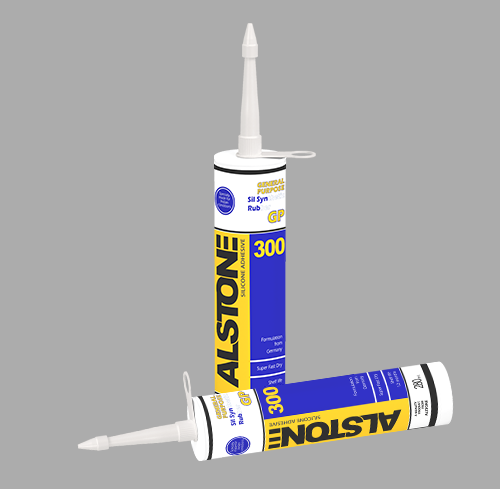
The Importance of Sealants in Construction and Maintenance
Sealants play a crucial role in various aspects of construction and maintenance projects, serving as a versatile solution for creating watertight and airtight seals in buildings, vehicles, and other structures. These flexible materials are designed to fill gaps, joints, and cracks to prevent the infiltration of water, air, dust, or noise.
Applications in Construction
In the construction industry, sealants are commonly used for sealing expansion joints, perimeter joints around windows and doors, roofing seams, concrete cracks, and other vulnerable areas where moisture or air leakage could compromise the integrity of the structure. By applying sealants effectively, builders can enhance the durability and energy efficiency of buildings while also improving indoor air quality.
Benefits in Maintenance
For maintenance purposes, sealants are essential for repairing damaged seals on windows, bathtubs, sinks, and other fixtures to prevent water leakage and mold growth. They also serve as a protective barrier against corrosion on metal surfaces exposed to harsh environmental conditions. Regular inspection and reapplication of sealants can help prolong the lifespan of assets and reduce repair costs over time.
Types of Sealants
There are various types of sealants available on the market to suit different applications. Silicone sealants offer excellent flexibility and weather resistance, making them ideal for outdoor use. Polyurethane sealants provide strong adhesion and durability for high-traffic areas. Acrylic sealants are easy to apply and paintable, making them suitable for interior projects.
Proper Application
To ensure the effectiveness of sealants, proper surface preparation is essential. Surfaces should be clean, dry, and free of debris before applying the sealant. It is important to follow manufacturer instructions regarding curing time and temperature requirements for optimal performance. Regular maintenance checks can help identify any signs of deterioration or failure in sealant applications.
Conclusion
In conclusion, sealants play a vital role in maintaining the integrity and functionality of structures by preventing water intrusion, air leakage, and other potential hazards. Whether used in new construction or ongoing maintenance projects, choosing the right type of sealant and applying it correctly can help enhance structural longevity and overall performance.
Top 6 Benefits of Sealant: Enhancing Protection, Efficiency, and Versatility
- Creates watertight seals to prevent water infiltration
- Provides airtight seals to improve energy efficiency
- Flexible and versatile for filling gaps, joints, and cracks
- Protects against corrosion on metal surfaces
- Helps in soundproofing by reducing noise transmission
- Easy to apply and available in various types for different applications
Challenges of Using Sealant: Lifespan, Removal, Shrinkage, Mold Growth, and Compatibility Concerns
- Limited lifespan – Sealants may degrade over time due to exposure to UV rays, weather conditions, or chemical reactions, requiring periodic replacement.
- Difficult removal – Removing old sealant can be a tedious and time-consuming process, often involving scraping and cleaning to ensure proper adhesion of new sealant.
- Potential for shrinkage – Some sealants may shrink after application, leaving gaps that compromise the effectiveness of the seal.
- Vulnerability to mold growth – In damp or humid environments, certain types of sealants may be prone to mold or mildew formation if not properly maintained.
- Compatibility issues – Choosing the wrong type of sealant for a specific application can lead to poor adhesion, reduced durability, or other performance issues.
Creates watertight seals to prevent water infiltration
Sealants offer the advantage of creating watertight seals that effectively prevent water infiltration into structures. By filling gaps, joints, and cracks with sealant, potential entry points for water are sealed off, reducing the risk of water damage and mold growth. This pro of sealants is particularly beneficial in construction and maintenance projects where maintaining a waterproof barrier is essential for preserving the structural integrity and longevity of buildings, vehicles, or other installations.
Provides airtight seals to improve energy efficiency
Sealants offer the advantage of providing airtight seals that significantly enhance energy efficiency in buildings and structures. By effectively sealing gaps, joints, and cracks, sealants prevent air leakage, which can lead to heat loss or gain depending on the season. This improved insulation helps maintain a more consistent indoor temperature, reducing the workload on heating and cooling systems. As a result, using sealants to create airtight seals not only lowers energy consumption but also contributes to cost savings and environmental sustainability by minimizing energy waste.
Flexible and versatile for filling gaps, joints, and cracks
Sealants offer the advantage of flexibility and versatility, making them an effective solution for filling gaps, joints, and cracks in various applications. Their ability to conform to different shapes and sizes allows sealants to create a tight seal that prevents water, air, dust, or noise infiltration. Whether used in construction projects to seal expansion joints or in maintenance tasks to repair cracks in surfaces, the flexibility of sealants ensures a durable and reliable barrier against environmental elements. This versatility makes sealants a valuable asset for maintaining structural integrity and enhancing the longevity of buildings and other structures.
Protects against corrosion on metal surfaces
Sealants offer a significant advantage in protecting metal surfaces against corrosion. By creating a barrier that seals out moisture and other corrosive agents, sealants help prevent oxidation and rust formation on metal components. This proactive measure not only extends the lifespan of the metal surfaces but also maintains their structural integrity and aesthetic appeal over time. Whether applied to outdoor structures exposed to harsh environmental conditions or indoor fixtures susceptible to humidity, sealants play a critical role in preserving the quality and functionality of metal surfaces by effectively inhibiting corrosion.
Helps in soundproofing by reducing noise transmission
Sealants offer the advantage of soundproofing by effectively reducing noise transmission through gaps, joints, and cracks in buildings or structures. By filling these openings with a sound-dampening sealant, the transfer of unwanted noise from one area to another can be significantly minimized. This not only helps create a more peaceful and comfortable indoor environment but also enhances privacy and productivity in spaces where noise control is essential. Soundproof sealants serve as a practical solution for improving acoustics and maintaining a quiet atmosphere in residential, commercial, or industrial settings.
Easy to apply and available in various types for different applications
Sealants offer the benefit of being easy to apply and are available in a wide range of types to suit different applications. Whether it’s sealing gaps in windows, joints in concrete structures, or cracks in walls, sealants provide a convenient solution that can be applied with minimal effort. With options such as silicone sealants for outdoor use, polyurethane sealants for high-traffic areas, and acrylic sealants for interior projects, users can choose the most suitable type based on their specific needs. This versatility and ease of application make sealants a practical choice for addressing sealing requirements in various settings effectively.
Limited lifespan – Sealants may degrade over time due to exposure to UV rays, weather conditions, or chemical reactions, requiring periodic replacement.
Sealants, despite their effectiveness in creating seals and preventing leaks, have a significant drawback in their limited lifespan. Exposure to UV rays, fluctuating weather conditions, or chemical reactions can cause sealants to degrade over time. This degradation may lead to cracks, shrinking, or loss of adhesion, compromising the seal’s integrity. As a result, periodic replacement of sealants becomes necessary to maintain the effectiveness of the seals and prevent potential water infiltration or air leakage issues. Regular inspection and timely replacement of deteriorated sealants are essential to ensure the long-term performance and durability of sealed structures.
Difficult removal – Removing old sealant can be a tedious and time-consuming process, often involving scraping and cleaning to ensure proper adhesion of new sealant.
The difficulty of removing old sealant poses a significant challenge for maintenance and renovation projects. The process of scraping and cleaning to eliminate remnants of the previous sealant can be laborious and time-consuming, requiring meticulous attention to detail to ensure the proper adhesion of the new sealant. This tedious task not only prolongs the overall project timeline but also adds complexity to the preparation phase, potentially leading to delays in completing repairs or upgrades. The effort required for thorough removal underscores the importance of selecting high-quality sealants that offer long-term performance to minimize the frequency of reapplication and reduce the need for frequent removal processes.
Potential for shrinkage – Some sealants may shrink after application, leaving gaps that compromise the effectiveness of the seal.
One significant drawback of using sealants is the potential for shrinkage, where some types of sealants may contract or shrink once applied. This shrinkage can lead to the formation of gaps or cracks in the seal, reducing its effectiveness in preventing water infiltration, air leakage, or other unwanted elements from penetrating the sealed area. The presence of gaps compromises the integrity of the seal and may necessitate additional maintenance or reapplication to ensure proper protection. It is important for users to be aware of this issue and select sealants that are less prone to shrinkage to maintain the durability and performance of sealed surfaces.
Vulnerability to mold growth – In damp or humid environments, certain types of sealants may be prone to mold or mildew formation if not properly maintained.
In damp or humid environments, certain types of sealants may be vulnerable to mold or mildew growth if not adequately maintained. The presence of moisture can create an ideal breeding ground for mold spores to thrive on the surface of the sealant, leading to unsightly discoloration and potential health risks. Regular inspection and cleaning of sealant areas in such conditions are crucial to prevent mold infestation and ensure the longevity of the sealant’s effectiveness in sealing gaps and joints effectively.
Compatibility issues – Choosing the wrong type of sealant for a specific application can lead to poor adhesion, reduced durability, or other performance issues.
Compatibility issues can arise when selecting the wrong type of sealant for a particular application, resulting in subpar adhesion, diminished durability, or other performance shortcomings. It is crucial to match the properties of the sealant with the specific requirements of the project to ensure optimal results. Failure to address compatibility issues can lead to compromised seals, potential leaks, and the need for premature reapplication, ultimately impacting the effectiveness and longevity of the sealing solution. Careful consideration and proper selection of sealants based on their intended use are essential to avoid such drawbacks and ensure successful outcomes in construction and maintenance projects.