
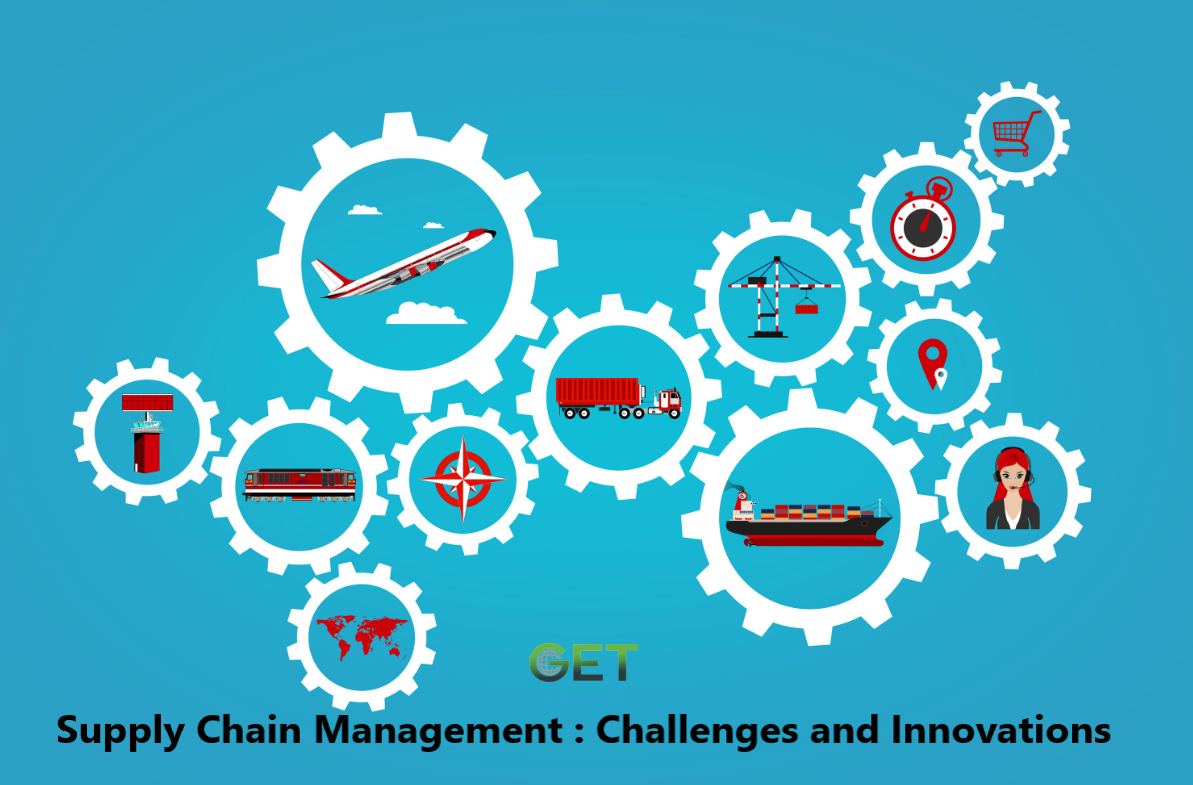
The Importance of Efficient Supply Chain Management
In today’s globalized economy, the supply chain plays a crucial role in the success of businesses across various industries. A well-managed supply chain can enhance efficiency, reduce costs, and improve customer satisfaction.
What is a Supply Chain?
A supply chain encompasses all the processes involved in delivering a product or service to customers, from sourcing raw materials to manufacturing, distribution, and ultimately reaching the end consumer. It involves coordination among suppliers, manufacturers, logistics providers, retailers, and other stakeholders.
Benefits of Effective Supply Chain Management
Efficient supply chain management leads to several advantages for businesses:
- Cost Reduction: Streamlining processes and minimizing waste can result in cost savings throughout the supply chain.
- Improved Customer Service: Timely delivery of products and accurate order fulfillment lead to higher customer satisfaction.
- Enhanced Flexibility: A well-managed supply chain can adapt quickly to changes in demand or market conditions.
- Better Risk Management: By identifying potential disruptions early on, businesses can mitigate risks and maintain continuity.
Challenges in Supply Chain Management
Despite its benefits, managing a supply chain comes with its own set of challenges:
- Complexity: Global supply chains involve multiple partners across different regions, making coordination complex.
- Supply Chain Disruptions: Natural disasters, political instability, or supplier issues can disrupt operations and impact delivery schedules.
- Inventory Management: Balancing inventory levels to meet demand without excess stock requires careful planning.
The Future of Supply Chains
The digital transformation is revolutionizing supply chain management through technologies like artificial intelligence, blockchain, and Internet of Things (IoT). These innovations enable real-time tracking of shipments, predictive analytics for demand forecasting, and enhanced visibility across the entire supply chain.
In conclusion, effective supply chain management is essential for businesses looking to stay competitive in today’s dynamic marketplace. By optimizing processes, leveraging technology solutions, and fostering collaboration with partners, organizations can create a resilient and efficient supply chain that drives sustainable growth.
9 Essential Tips for Optimizing Your Supply Chain Management
- Maintain good communication with suppliers and partners.
- Implement efficient inventory management practices.
- Use technology to track and manage supply chain processes.
- Regularly review and optimize transportation routes.
- Ensure product quality standards are met throughout the supply chain.
- Develop contingency plans for potential disruptions in the supply chain.
- Collaborate closely with all stakeholders for better coordination.
- Monitor key performance indicators to measure supply chain effectiveness.
- Continuously seek opportunities for cost reduction and process improvement.
Maintain good communication with suppliers and partners.
One crucial tip for effective supply chain management is to maintain good communication with suppliers and partners. Clear and open communication fosters transparency, builds trust, and ensures alignment on expectations and goals. By establishing strong relationships with suppliers and partners, businesses can proactively address issues, collaborate on solutions, and optimize processes throughout the supply chain. Regular communication helps in anticipating potential disruptions, coordinating logistics efficiently, and ultimately enhancing the overall performance of the supply chain ecosystem.
Implement efficient inventory management practices.
Implementing efficient inventory management practices is crucial for optimizing supply chain operations. By maintaining accurate inventory levels, businesses can prevent stockouts, minimize excess inventory costs, and improve overall operational efficiency. Utilizing technology solutions such as inventory tracking systems and demand forecasting tools can help in better managing inventory turnover rates and ensuring timely replenishment of stock. Effective inventory management not only enhances customer satisfaction by ensuring product availability but also contributes to cost savings and streamlined logistics within the supply chain.
Use technology to track and manage supply chain processes.
Utilizing technology to track and manage supply chain processes is a key tip for enhancing operational efficiency and visibility. By implementing tools such as inventory management software, RFID tracking systems, and supply chain analytics platforms, businesses can gain real-time insights into their operations, streamline workflows, and proactively identify areas for improvement. Technology enables better coordination among stakeholders, reduces lead times, minimizes errors, and ultimately helps organizations optimize their supply chain performance to meet customer demands effectively.
Regularly review and optimize transportation routes.
Regularly reviewing and optimizing transportation routes is a crucial tip in supply chain management. By analyzing existing routes, businesses can identify inefficiencies, such as long distances, traffic congestion, or multiple stops, that may be adding unnecessary time and costs to the logistics process. Through optimization, companies can streamline transportation routes to ensure faster delivery times, reduced fuel consumption, and overall improved efficiency in the supply chain. This proactive approach not only enhances operational performance but also contributes to greater customer satisfaction through timely and reliable deliveries.
Ensure product quality standards are met throughout the supply chain.
Ensuring that product quality standards are consistently met at every stage of the supply chain is paramount for businesses to maintain customer satisfaction and uphold their reputation. From sourcing raw materials to manufacturing processes and final distribution, adherence to quality control measures is essential. By implementing rigorous inspection procedures, conducting regular audits, and collaborating closely with suppliers and manufacturers, companies can uphold high product quality standards and deliver reliable goods to consumers. This commitment to quality assurance not only enhances customer trust but also contributes to long-term success in the competitive marketplace.
Develop contingency plans for potential disruptions in the supply chain.
Developing contingency plans for potential disruptions in the supply chain is a critical strategy to ensure business continuity and minimize the impact of unforeseen events. By identifying key risks such as natural disasters, supplier issues, or geopolitical instability, organizations can proactively plan alternative courses of action to mitigate disruptions. Having contingency plans in place allows companies to respond swiftly and effectively during crises, maintaining operational resilience and safeguarding customer satisfaction. Prioritizing risk assessment and developing robust contingency strategies are key components of a proactive supply chain management approach that can help businesses navigate uncertainties and maintain supply chain stability.
Collaborate closely with all stakeholders for better coordination.
Collaborating closely with all stakeholders is a crucial tip for optimizing supply chain management. By fostering strong partnerships and communication with suppliers, manufacturers, distributors, and other key players, businesses can ensure better coordination and alignment of goals throughout the supply chain. This collaboration not only enhances efficiency in processes but also facilitates quicker decision-making, problem-solving, and adaptability to changes in market dynamics. Ultimately, working closely with all stakeholders leads to a more integrated and responsive supply chain that can meet customer demands effectively.
Monitor key performance indicators to measure supply chain effectiveness.
Monitoring key performance indicators (KPIs) is essential to gauge the effectiveness of a supply chain. By tracking metrics such as on-time delivery, inventory turnover, lead times, and cost per unit, businesses can assess the performance of their supply chain operations and identify areas for improvement. Utilizing KPIs provides valuable insights into efficiency, quality, and customer satisfaction levels, enabling organizations to make data-driven decisions and optimize their supply chain processes for enhanced productivity and competitiveness.
Continuously seek opportunities for cost reduction and process improvement.
Continuously seeking opportunities for cost reduction and process improvement is a key strategy in optimizing supply chain management. By regularly reviewing and analyzing operations, businesses can identify inefficiencies, streamline processes, and implement cost-saving measures. This proactive approach not only helps in reducing expenses but also enhances overall efficiency and competitiveness in the market. Embracing a culture of continuous improvement ensures that the supply chain remains agile, adaptable to changes, and aligned with evolving customer demands.