
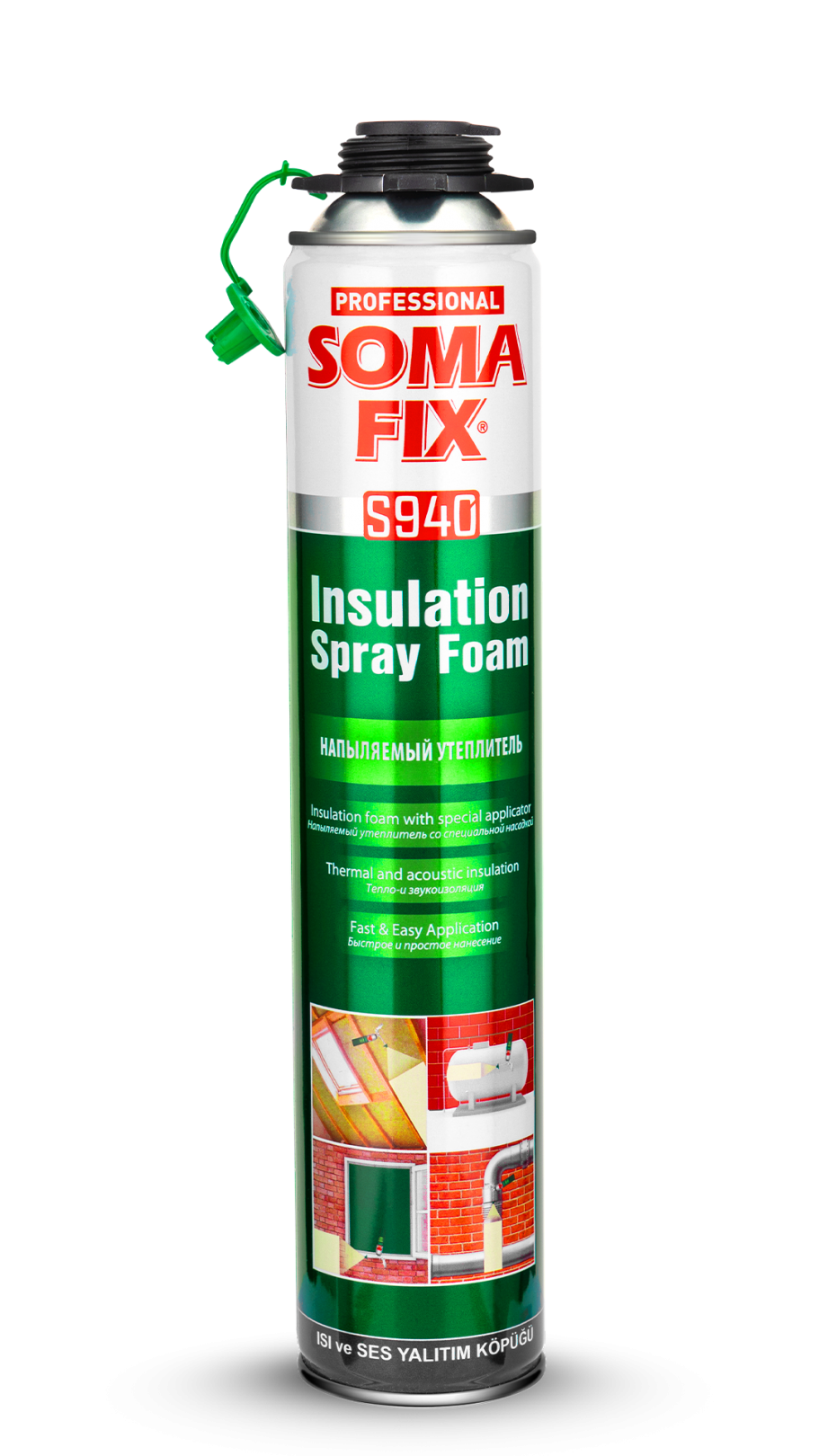
The Advantages of Spray Foam Insulation
Spray foam insulation is a versatile and effective solution for enhancing the energy efficiency of buildings. It is a type of insulation material that is sprayed into place, where it expands and creates a continuous barrier that helps to seal gaps, cracks, and voids in walls, ceilings, and floors.
Benefits of Spray Foam Insulation:
- Energy Efficiency: Spray foam insulation provides excellent thermal resistance, which helps to reduce heating and cooling costs by maintaining a consistent indoor temperature.
- Air Sealing: The expanding nature of spray foam allows it to fill in even the smallest gaps, preventing air leakage and improving indoor air quality.
- Noise Reduction: Spray foam insulation can also act as a sound barrier, reducing noise transmission from outside sources.
- Durability: Once applied, spray foam insulation forms a durable bond that does not sag or settle over time, ensuring long-lasting performance.
- Moisture Resistance: Closed-cell spray foam insulation is impermeable to water, making it an ideal choice for areas prone to moisture intrusion.
Applications of Spray Foam Insulation:
Spray foam insulation is commonly used in residential, commercial, and industrial buildings for various applications such as:
- Attics and crawl spaces
- Walls and ceilings
- Roofs and foundations
- Metal buildings and agricultural structures
The versatility and performance of spray foam insulation make it a popular choice for contractors and homeowners looking to improve the energy efficiency and comfort of their properties. With its ability to provide superior thermal resistance, air sealing properties, durability, and moisture resistance, spray foam insulation continues to be a preferred option in the construction industry.
Essential Safety and Application Tips for Using Spray Foam Effectively
- Wear protective gear, including goggles, gloves, and a mask, when working with spray foam.
- Ensure proper ventilation in the area where you are applying spray foam to avoid inhaling fumes.
- Read and follow the manufacturer’s instructions carefully for the correct mixing and application of spray foam.
- Apply spray foam in layers to achieve the desired thickness and prevent overexpansion.
- Use a sharp knife or saw to trim excess foam once it has cured completely.
- Clean up any spills or uncured foam immediately with a solvent recommended by the manufacturer.
- Store unused spray foam cans in a cool, dry place away from heat sources.
Wear protective gear, including goggles, gloves, and a mask, when working with spray foam.
It is essential to prioritize safety when working with spray foam insulation. To protect yourself from potential hazards, always remember to wear appropriate protective gear such as goggles, gloves, and a mask. Goggles shield your eyes from splashes or fumes, gloves safeguard your hands from skin irritation or chemical exposure, and a mask helps prevent inhalation of airborne particles. By wearing the necessary protective equipment, you can ensure a safe and healthy working environment while handling spray foam insulation.
Ensure proper ventilation in the area where you are applying spray foam to avoid inhaling fumes.
It is crucial to ensure proper ventilation in the area where you are applying spray foam to prevent inhaling fumes. Adequate ventilation helps to dissipate any fumes or odors that may be released during the application process, reducing the risk of respiratory irritation or health concerns. By ventilating the space effectively, you can create a safer environment for both yourself and others involved in the spray foam insulation project.
Read and follow the manufacturer’s instructions carefully for the correct mixing and application of spray foam.
It is crucial to read and adhere to the manufacturer’s instructions meticulously when it comes to the proper mixing and application of spray foam. Following the recommended guidelines ensures that the spray foam is prepared and applied correctly, maximizing its effectiveness in providing insulation and air sealing properties. Failure to follow the manufacturer’s instructions may result in subpar performance or potential safety hazards, emphasizing the importance of careful attention to detail during the mixing and application process.
Apply spray foam in layers to achieve the desired thickness and prevent overexpansion.
When applying spray foam insulation, it is advisable to do so in layers to achieve the desired thickness and avoid overexpansion. By layering the spray foam gradually, you can control the amount applied at each stage, ensuring a uniform coverage and preventing excessive expansion that may lead to issues like bulging or uneven surfaces. This method allows for better precision in achieving the desired insulation thickness while maintaining the integrity of the application for optimal performance.
Use a sharp knife or saw to trim excess foam once it has cured completely.
To ensure a neat and professional finish when working with spray foam insulation, it is essential to use a sharp knife or saw to trim any excess foam once it has fully cured. By carefully cutting away the excess material, you can achieve a clean and precise edge that seamlessly blends with the surrounding surfaces. This step not only enhances the aesthetic appeal of the insulation but also helps to improve its overall effectiveness by ensuring a proper fit and seal.
Clean up any spills or uncured foam immediately with a solvent recommended by the manufacturer.
It is essential to clean up any spills or uncured spray foam immediately using a solvent recommended by the manufacturer. Prompt action in removing excess foam helps prevent it from hardening and becoming difficult to remove later. By following the manufacturer’s guidelines on solvent usage, you can effectively clean up spills and maintain a tidy work area during spray foam insulation application.
Store unused spray foam cans in a cool, dry place away from heat sources.
It is advisable to store unused spray foam cans in a cool, dry location away from heat sources. Proper storage conditions help maintain the quality and effectiveness of the foam insulation material. Exposure to high temperatures or moisture can affect the performance of the spray foam, so storing it in a cool, dry place ensures that it remains in optimal condition for future use. By following this simple tip, you can prolong the shelf life of your spray foam cans and ensure consistent results when using them for insulation purposes.