
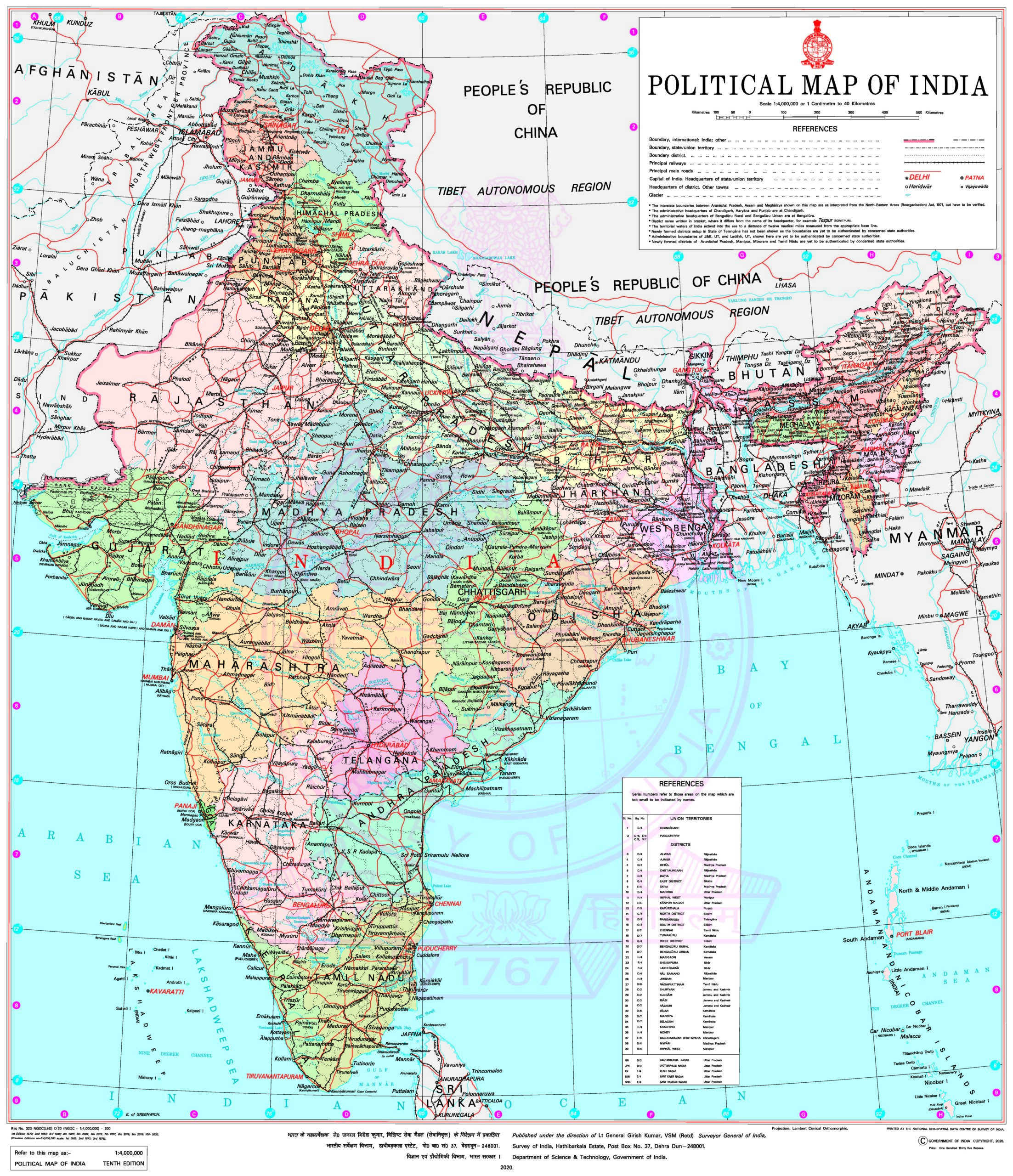
The Vibrant Diversity of India
India, often referred to as the land of diversity, is a country that encapsulates a rich tapestry of cultures, traditions, languages, and landscapes. From the snow-capped Himalayas in the north to the sun-kissed beaches of the south, India is a land of contrasts and contradictions that coexist harmoniously.
One of the most striking aspects of India is its cultural heritage. With a history that spans thousands of years, India has been home to various civilizations and empires, each leaving behind a unique imprint on its cultural landscape. Whether it’s the majestic forts and palaces of Rajasthan or the intricate temples of Tamil Nadu, every corner of India tells a story of its own.
India is also known for its linguistic diversity, with over 22 officially recognized languages and countless dialects spoken across the country. This linguistic richness is reflective of India’s pluralistic society where people from different backgrounds come together to form a cohesive whole.
Moreover, India’s culinary scene is as diverse as its cultural tapestry. From spicy curries in the north to coconut-infused dishes in the south, Indian cuisine offers a gastronomic journey like no other. Each region boasts its own signature dishes that tantalize the taste buds and showcase the culinary prowess of local chefs.
In addition to its cultural and culinary diversity, India is also known for its vibrant festivals that celebrate various religious and cultural occasions throughout the year. Whether it’s Diwali, Holi, Eid, or Christmas, festivals in India are marked by colorful decorations, lively processions, and traditional rituals that bring communities together in joyous celebration.
With its myriad hues and shades, India stands as a testament to unity in diversity. The country’s ability to embrace differences while fostering unity has been its strength for centuries. As we navigate through the complexities of modern life, let us draw inspiration from India’s ethos of inclusivity and harmony.
Exploring India’s Identity: Names, History, and Origins
- What is India’s name in India?
- Who ruled India first?
- What is India 2 and India 3?
- How old is the name India?
- Who gave India her name?
What is India’s name in India?
In India, the country is commonly referred to as “Bharat” in Hindi and other regional languages. The name “India” itself has its origins in the word “Indus,” derived from the ancient river Indus that flowed through much of the region. However, within India, the indigenous name “Bharat” holds cultural and historical significance, symbolizing the country’s rich heritage and identity rooted in ancient traditions and mythology.
Who ruled India first?
The history of India is marked by a succession of powerful empires and dynasties that have shaped the country’s cultural and political landscape. The title of the first rulers of India is often attributed to the Indus Valley Civilization, one of the world’s oldest urban civilizations that thrived around 2500 BCE. Following this, various empires such as the Maurya, Gupta, and Mughal dynasties held sway over different regions of the Indian subcontinent, each leaving a lasting impact on its history and heritage. The question of who ruled India first is a complex one due to the country’s long and diverse history, characterized by a multitude of rulers and kingdoms that have contributed to its rich tapestry of traditions and cultures.
What is India 2 and India 3?
India 2 and India 3 are terms often used to categorize different segments of India’s population based on socio-economic indicators. India 2 typically refers to the middle-class population, characterized by moderate to high income levels, urban lifestyles, and access to better healthcare and education facilities. On the other hand, India 3 represents the lower-income group, often residing in rural areas with limited access to basic amenities such as clean water, sanitation, and healthcare. Understanding the dynamics between India 2 and India 3 is crucial for policymakers and businesses alike to address the disparities and work towards inclusive growth that benefits all strata of society.
How old is the name India?
The name “India” has a long and storied history, dating back to ancient times. The term “India” is believed to have originated from the ancient Greek word “Indika,” which was used to refer to the region beyond the river Indus. This name was later adopted by various civilizations and empires that interacted with the Indian subcontinent over the centuries. The concept of India as a geographical and cultural entity has evolved over time, encompassing a diverse array of peoples, languages, and traditions. Today, the name “India” continues to symbolize the rich heritage and vibrant diversity of this ancient land.
Who gave India her name?
The origin of the name “India” can be traced back to the ancient Sanskrit word “Sindhu,” which referred to the river Indus. The Persians, who interacted with the people living along the banks of the Indus River, adapted the term as “Hindu,” which later evolved into “India” in English. It was through a series of linguistic transformations and cultural exchanges that the name “India” came to represent the vast and diverse subcontinent we know today.