
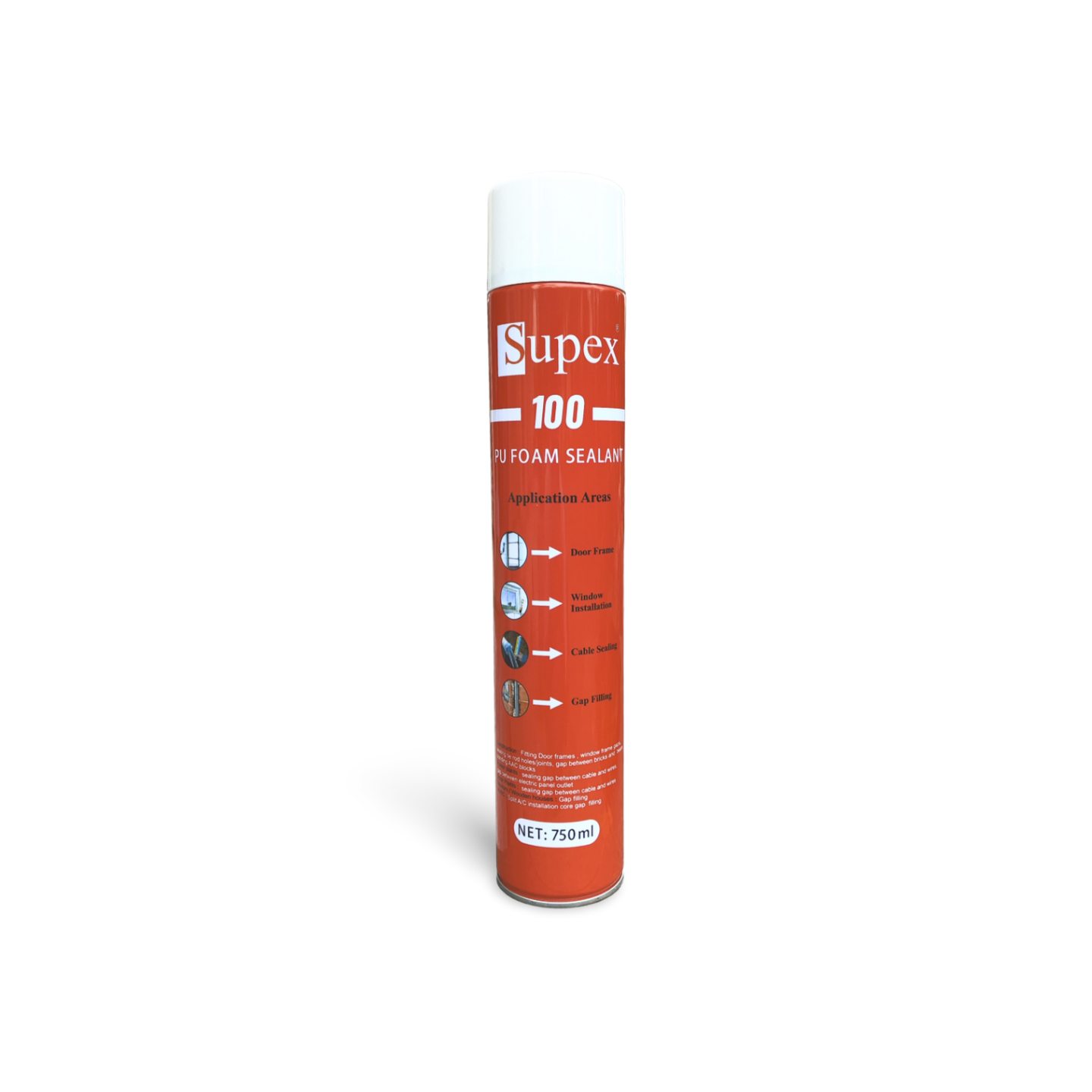
The Advantages of PU Foam Spray in Construction
PU foam spray, also known as polyurethane foam spray, is a versatile and effective material widely used in the construction industry. This innovative product offers numerous advantages that make it a popular choice for various applications in building and renovation projects.
Excellent Insulation Properties
One of the key benefits of PU foam spray is its exceptional insulation properties. When applied, the foam expands to fill gaps, cracks, and voids, creating a seamless barrier against heat loss and air infiltration. This helps improve energy efficiency in buildings and reduces heating and cooling costs.
Easy Application
PU foam spray is easy to apply, making it a convenient option for both professionals and DIY enthusiasts. The foam can be sprayed directly onto surfaces, where it expands rapidly to form a durable seal. Its quick curing time allows for efficient installation, saving time and labor costs.
Versatility
PU foam spray is suitable for a wide range of applications in construction, including insulating walls, roofs, floors, and gaps around windows and doors. It adheres well to various materials such as wood, metal, concrete, and masonry, providing versatile solutions for different project requirements.
Moisture Resistance
Another advantage of PU foam spray is its resistance to moisture penetration. The closed-cell structure of the foam helps prevent water infiltration, making it ideal for use in areas prone to dampness or humidity. This feature contributes to the durability and longevity of the building envelope.
Cost-Effective Solution
In addition to its performance benefits, PU foam spray offers cost savings over time due to its energy-efficient properties. By reducing thermal losses and improving indoor comfort levels, this material helps lower utility bills and maintenance expenses in the long run.
Overall, PU foam spray is a reliable choice for enhancing insulation, sealing gaps, and improving energy efficiency in construction projects. Its ease of application, versatility, durability, and cost-effectiveness make it a valuable asset for builders looking to achieve high-performance building envelopes.
8 Benefits of PU Foam Spray: Insulation, Efficiency, and Cost Savings
- Excellent insulation properties
- Easy and quick application process
- Versatile for various construction applications
- Provides a seamless seal against air infiltration
- Moisture-resistant for durability in damp conditions
- Improves energy efficiency and reduces heating/cooling costs
- Adheres well to different surfaces like wood, metal, and concrete
- Cost-effective solution with long-term savings
Considerations for PU Foam Spray: UV Sensitivity, VOC Emissions, and Removal Challenges
- Limited UV resistance, requiring protection from sunlight exposure
- Potential off-gassing of volatile organic compounds (VOCs) during application
- Difficult to remove once cured, making repairs or modifications challenging
Excellent insulation properties
PU foam spray stands out for its excellent insulation properties, making it a highly effective solution for enhancing energy efficiency in buildings. When applied, the foam expands to fill gaps and crevices, creating a seamless barrier that helps prevent heat loss and air infiltration. This superior insulating ability not only improves the overall thermal performance of structures but also contributes to reducing heating and cooling costs. By providing a reliable thermal barrier, PU foam spray helps maintain comfortable indoor temperatures and enhances the sustainability of buildings by minimizing energy consumption.
Easy and quick application process
Polyurethane (PU) foam spray stands out for its easy and quick application process, making it a preferred choice for construction projects. With just a simple spray application, the foam expands rapidly to fill gaps and create a seamless seal, saving time and labor costs. Its fast curing time allows for efficient installation, enabling professionals and DIY enthusiasts to complete tasks quickly and effectively. This convenience makes PU foam spray an ideal solution for sealing gaps, insulating surfaces, and improving energy efficiency in buildings with minimal effort and maximum results.
Versatile for various construction applications
Polyurethane foam spray stands out as a highly versatile material that finds extensive use across a wide range of construction applications. Its adaptability allows for effective insulation of walls, roofs, floors, and gaps around windows and doors. The ability of PU foam spray to adhere to diverse surfaces such as wood, metal, concrete, and masonry makes it a go-to solution for sealing and insulating different parts of a building. This versatility not only simplifies the construction process but also ensures efficient and reliable performance in various structural elements, making PU foam spray a valuable asset in the construction industry.
Provides a seamless seal against air infiltration
PU foam spray offers the significant advantage of providing a seamless seal against air infiltration. When applied, the foam expands to fill gaps and cracks, creating a tight barrier that effectively prevents air leakage. This airtight seal helps improve the overall energy efficiency of buildings by reducing heat loss and minimizing drafts. By eliminating air infiltration, PU foam spray contributes to maintaining consistent indoor temperatures, enhancing comfort levels, and lowering heating and cooling costs. Its ability to create a seamless barrier against air infiltration makes it a valuable solution for achieving better insulation performance in construction projects.
Moisture-resistant for durability in damp conditions
PU foam spray offers excellent moisture resistance, making it a durable solution for construction projects in damp conditions. The closed-cell structure of the foam acts as a barrier against water infiltration, preventing moisture-related issues such as mold growth and structural damage. This feature not only enhances the longevity of the building envelope but also ensures that the insulation properties remain effective over time. By providing reliable protection against moisture, PU foam spray helps maintain the integrity and performance of structures in environments where dampness is a concern.
Improves energy efficiency and reduces heating/cooling costs
PU foam spray is a highly effective solution that significantly improves energy efficiency in buildings by creating a seamless barrier against heat loss and air infiltration. By filling gaps, cracks, and voids with its insulating properties, PU foam spray helps reduce the need for heating and cooling systems to work harder to maintain indoor temperatures. This results in lower energy consumption, leading to cost savings on heating and cooling bills for building owners. Overall, the use of PU foam spray contributes to a more sustainable and eco-friendly approach to construction while also providing financial benefits through reduced energy expenses.
Adheres well to different surfaces like wood, metal, and concrete
PU foam spray offers the advantage of excellent adhesion to a variety of surfaces, including wood, metal, and concrete. This property makes it a versatile choice for construction projects where different materials need to be sealed or insulated effectively. Whether used on walls, roofs, floors, or gaps around windows and doors, PU foam spray forms a strong bond with the substrate, ensuring a secure and durable seal that helps enhance energy efficiency and building performance. Its ability to adhere well to diverse surfaces makes it a reliable solution for addressing insulation needs in various applications within the construction industry.
Cost-effective solution with long-term savings
PU foam spray stands out as a cost-effective solution with long-term savings in construction projects. By effectively insulating buildings and sealing gaps, this material helps reduce energy consumption and lower utility bills over time. The initial investment in PU foam spray pays off through improved energy efficiency, resulting in significant cost savings in the long run. Additionally, the durability of the foam ensures that the building envelope remains well-insulated for years to come, minimizing maintenance expenses and maximizing the overall return on investment for property owners.
Limited UV resistance, requiring protection from sunlight exposure
One notable drawback of PU foam spray is its limited UV resistance, which necessitates protection from sunlight exposure. When exposed to UV rays over time, the foam may degrade and lose its structural integrity, leading to potential issues such as discoloration, brittleness, or reduced insulation performance. To mitigate this con, proper coatings or coverings that shield the PU foam from direct sunlight are recommended to maintain its effectiveness and longevity in construction applications.
Potential off-gassing of volatile organic compounds (VOCs) during application
One significant drawback of PU foam spray is the potential off-gassing of volatile organic compounds (VOCs) during application. VOCs are chemicals that can vaporize into the air, leading to indoor air pollution and potential health risks for occupants. While modern formulations of PU foam spray aim to minimize VOC emissions, improper application or inadequate ventilation can still result in the release of harmful substances into the environment. It is essential for users to follow proper safety measures and ventilation protocols when working with PU foam spray to mitigate the risks associated with VOC off-gassing.
Difficult to remove once cured, making repairs or modifications challenging
Once polyurethane foam spray has cured, it can pose a significant challenge when it comes to removal, making repairs or modifications a daunting task. The strong adhesion and durable nature of cured PU foam make it difficult to remove without causing damage to surrounding surfaces. This limitation can hinder the flexibility and adaptability of construction projects, as any changes or fixes requiring the removal of cured PU foam may involve time-consuming and labor-intensive processes. Builders and renovators need to carefully plan and consider alternatives when working with PU foam spray to avoid potential complications associated with its permanent nature once fully cured.