
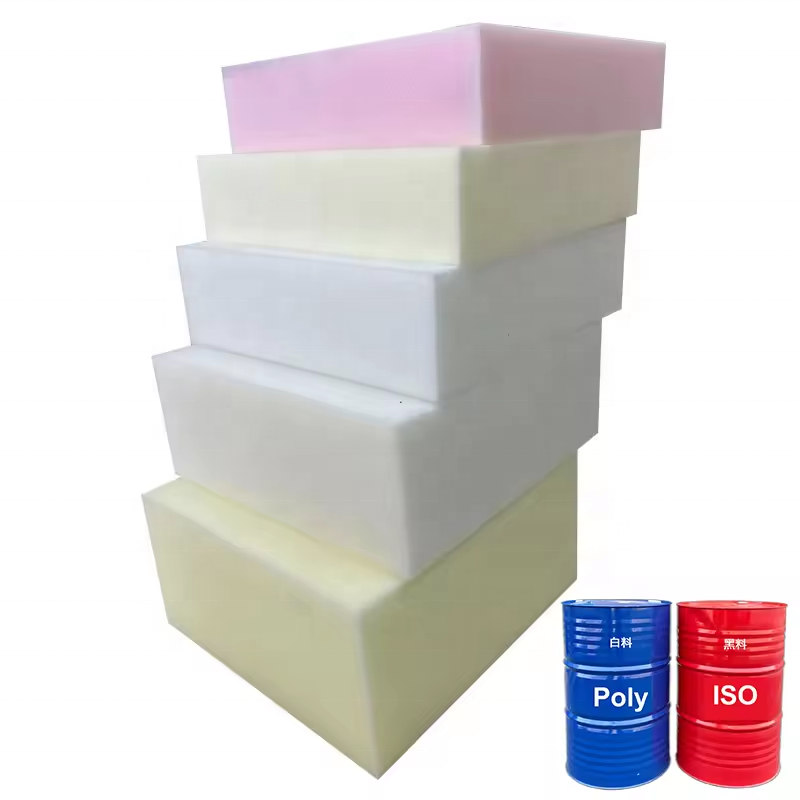
PU Foam Chemical Price in India: Key Factors and Buying Guide
Polyurethane (PU) foam is used across India in furniture, mattresses, insulation, automotive components, footwear, packaging and many other applications. The price of PU foam chemicals is an important part of production costs, but there is no single rate that applies to every buyer. Prices vary according to the chemical system, grade, order quantity, supplier, delivery location and prevailing market conditions.
This guide explains what affects PU foam chemical prices in India and what to check when comparing quotations. For an accurate current rate, request a dated quotation from a supplier and confirm that it covers the exact product specification you need.
What are PU foam chemicals?
PU foam is generally produced by reacting a polyol with an isocyanate. Other ingredients may be added to control the reaction and achieve particular properties, such as foam density, firmness, resilience, fire performance or cell structure.
- Polyols: A major component of the formulation. The type used depends on the intended foam and its required properties.
- Isocyanates: Commonly based on MDI or TDI, depending on the foam system and application.
- Additives: These can include catalysts, silicone surfactants, blowing agents, pigments, flame retardants and other performance modifiers.
- PU systems: Some suppliers offer pre-formulated systems in which components are selected or blended for a specific process or end use.
Why PU foam chemical prices vary
Raw material market conditions
Prices of polyols, isocyanates and additives can change with feedstock costs, supply availability, import conditions and demand. As a result, a quotation may be valid only for a limited period.
Foam type and application
Flexible slabstock foam, moulded foam and rigid insulation foam use different formulations. Chemicals for mattresses or furniture may not be interchangeable with those designed for refrigeration, construction panels, automotive parts or footwear. The required performance characteristics influence the formulation and its cost.
Product grade and technical specification
Different grades can vary in viscosity, reactivity, solids content and other technical properties. Special requirements—such as consistent cell structure, higher resilience or specified fire performance—may affect the price. Always compare products against the same specification rather than relying on the product name alone.
Purchase volume and packaging
Bulk orders may have different pricing from small or trial quantities. Packaging options, such as drums, intermediate bulk containers or bulk delivery, can also affect the delivered cost and handling requirements.
Freight, taxes and location
The quoted price may be ex-works, ex-warehouse or delivered to your site. Freight, insurance, applicable taxes and unloading arrangements can change the final amount payable. Confirm whether GST and transport charges are included or shown separately.
Storage, shelf life and technical support
Products that require controlled storage or specialised handling may involve additional logistics considerations. Supplier support, formulation guidance, quality documentation and troubleshooting services can also form part of the overall value of a purchase.
How to compare supplier quotations
To make a fair comparison, ask each supplier to quote against the same requirements. A lower price per kilogram may not represent better value if the product has a different concentration, dosage requirement or performance profile.
- Specify the foam type, application and required performance.
- Ask for the product grade, technical data sheet and safety data sheet.
- Confirm the recommended component ratio and processing conditions.
- Check the minimum order quantity and packaging format.
- Confirm the quotation’s validity period and payment terms.
- Clarify whether GST, freight, insurance and unloading are included.
- Review the batch details, manufacturing date and shelf life on delivery.
- Request a sample or trial quantity before placing a large order, where practical.
Price per kilogram is not the only cost
The total cost of using PU foam chemicals also depends on production efficiency and the finished foam’s quality. A formulation that runs consistently, reduces rejects and meets the required density and performance targets may offer better value than a cheaper product that creates processing or quality problems.
When evaluating a quotation, consider the cost per unit of acceptable finished foam—not just the purchase price of each chemical. Factors such as dosage, yield, scrap rate, downtime and storage losses can all influence the final production cost.
Safe handling and storage
PU foam chemicals must be handled according to the supplier’s safety instructions and the relevant safety data sheets. Use suitable personal protective equipment, provide appropriate ventilation and follow site procedures for storage, spill response and disposal. Check compatibility and storage conditions before combining or transferring materials.
Frequently asked questions
Is there a fixed PU foam chemical price in India?
No. Prices vary by chemical type, grade, order volume, location and market conditions. A current supplier quotation is the best way to confirm the price for a specific requirement.
Are flexible and rigid PU foam chemicals priced the same?
Not necessarily. Flexible and rigid foams are made for different applications and may use different formulations and performance specifications, so their chemical costs can differ.
What details should be provided when requesting a quote?
Share the intended application, foam type, technical requirements, approximate monthly or one-time volume, delivery location and preferred packaging. This helps suppliers provide a more relevant quotation.
How can buyers manage price changes?
Buyers can monitor quotation validity, plan orders around production needs, maintain appropriate stock levels and discuss supply arrangements with vendors. Any inventory plan should account for product shelf life and recommended storage conditions.
Conclusion
PU foam chemical prices in India depend on the formulation, specification, order size and delivered terms, as well as changing raw material and supply conditions. Compare like-for-like quotations, check technical documents and evaluate the cost of producing quality foam—not only the price per kilogram. For a dependable estimate, contact a qualified supplier with your application details and required volume.
6 Benefits of Understanding PU Foam Chemical Prices for Smarter Purchasing
- Helps buyers compare supplier quotes.
- Supports accurate production budgeting.
- Bulk orders may reduce unit costs.
- Price varies by grade and application.
- Clear quotes help avoid hidden charges.
- Tracking rates aids purchase planning.
Four Key Drawbacks of PU Foam Chemical Pricing
- Prices fluctuate with raw material costs.
- Bulk orders may require high upfront investment.
- Freight and taxes can increase the final cost.
- Specialised grades may be more expensive.
Helps buyers compare supplier quotes.
A clear PU foam chemical price helps buyers compare supplier quotes more effectively. By checking the cost alongside product grade, specifications, order quantity, delivery charges and taxes, buyers can assess which offer provides the best value for their requirements—not just the lowest price per kilogram.
Supports accurate production budgeting.
Knowing the price of PU foam chemicals helps manufacturers prepare more accurate production budgets. By estimating chemical costs alongside order volumes and expected output, businesses can plan purchases, manage cash flow and set product prices with greater confidence. Regularly reviewing supplier quotations also helps account for market changes and avoid unexpected cost overruns.
Bulk orders may reduce unit costs.
Bulk orders may reduce the unit cost of PU foam chemicals, helping manufacturers manage production expenses more efficiently. Suppliers may offer volume-based pricing, while larger shipments can also reduce the per-unit impact of freight and handling. However, buyers should balance potential savings against storage capacity, cash flow and product shelf life, and confirm that the quoted price covers the required grade, packaging and delivery terms.
Price varies by grade and application.
PU foam chemical prices vary by grade and application, giving manufacturers the flexibility to choose products that suit their performance needs and budget. Standard grades may be suitable for general-purpose foam, while specialised formulations for applications such as insulation, automotive components or high-resilience furniture foam can offer specific properties at a different price point. Comparing products with the same technical requirements helps buyers make an informed choice and avoid paying for features they do not need.
Clear quotes help avoid hidden charges.
Clear quotations for PU foam chemicals help buyers understand the full cost before placing an order. When the price clearly states the product grade, quantity, taxes, freight, packaging and delivery terms, it is easier to compare suppliers and budget accurately. This transparency also reduces the risk of unexpected charges later, helping businesses plan purchases with greater confidence.
Tracking rates aids purchase planning.
Tracking PU foam chemical prices helps manufacturers plan purchases more effectively. By monitoring rate changes, businesses can time orders, set realistic budgets and manage stock according to production needs. This can reduce the risk of unexpected cost increases while helping avoid excess inventory and storage expenses.
Prices fluctuate with raw material costs.
One key drawback of PU foam chemical pricing is that it can fluctuate with raw material costs. Changes in the prices or availability of polyols, isocyanates and other inputs may lead suppliers to revise their rates, making it harder for manufacturers to plan budgets and maintain stable production costs.
Bulk orders may require high upfront investment.
Bulk orders of PU foam chemicals can require a substantial upfront investment, which may put pressure on a business’s cash flow—particularly for small manufacturers or buyers with limited working capital. Although larger quantities may offer a lower unit price, buyers should weigh the potential savings against storage costs, product shelf life and the risk of holding more stock than production requires.
Freight and taxes can increase the final cost.
Freight and taxes can increase the final cost of PU foam chemicals, particularly when products need to be transported over long distances or delivered in smaller quantities. Quoted prices may exclude transport, insurance, unloading charges and applicable GST, so the amount payable can be higher than the listed price. Buyers should confirm all charges and delivery terms with the supplier before placing an order to calculate the total landed cost accurately.
Specialised grades may be more expensive.
Specialised PU foam chemical grades are often more expensive than standard options because they are formulated to meet specific performance requirements, such as enhanced durability, insulation or fire resistance. These products may also involve more complex manufacturing and tighter quality controls. For buyers, the higher upfront cost can increase production expenses, so it is important to assess whether the added performance is necessary for the intended application.